automation engineer recruitment and headhunters
your next automation engineer, in good hands.
We combine our data, sector experts and AI algorithms to identify the most relevant headhunter for your role, from automation technician to automation engineer.
- no setup fees, payment on hire
- guaranteed replacement
they recruit their automation engineers with muzzo
how to recruit an automation engineer with a recruitment agency?
A good automation engineer programmes and commissions a line, not just troubleshoots it. Muzzo trusts your role to headhunters recruiting most in automation: they verify PLCs and SCADA supervision genuinely mastered. Commission 5-30%, paid on hire. Deployment within 3 months: search relaunched free.
how it works
you only pay if you recruit
01
you describe the role
Using the form above: the role, your company, your PLCs. We refine the rest at the first conversation with the Muzzo team.

02
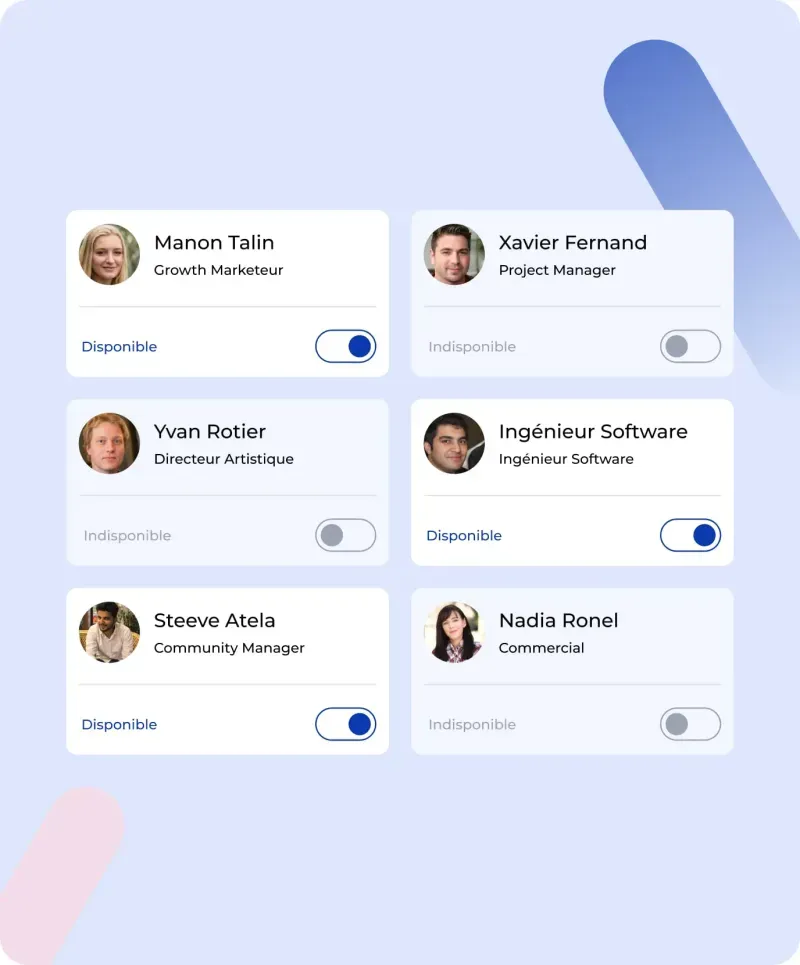
our data selects headhunters
AI picks those with most automation engineer hires, from over 2,500 selected headhunters.
03
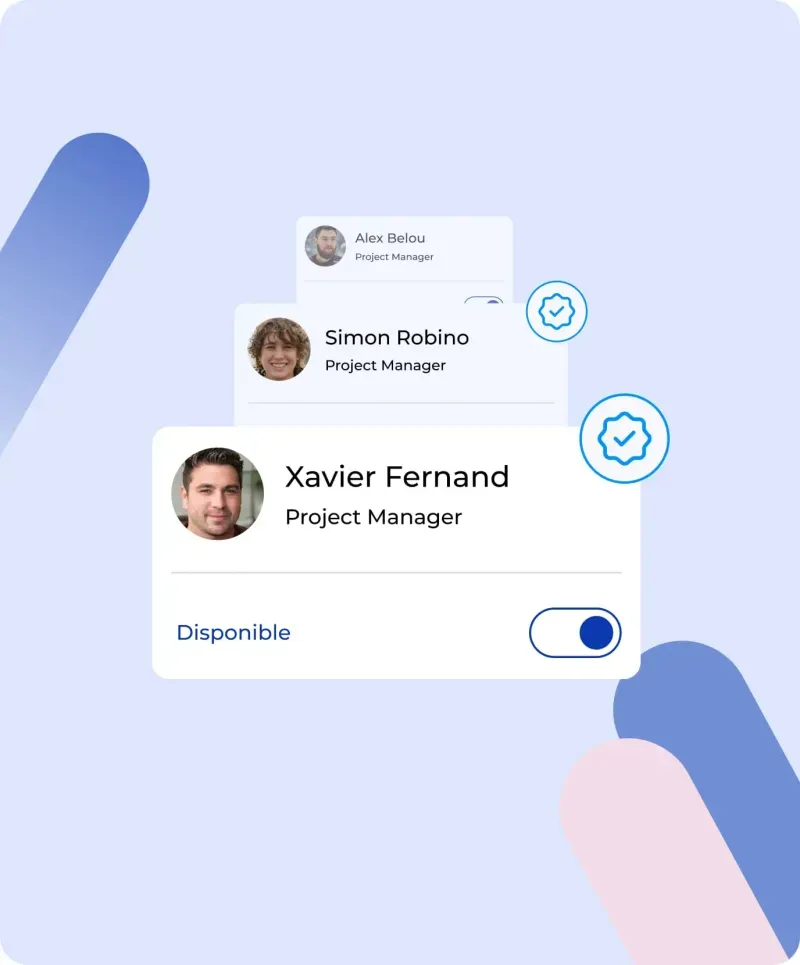
you meet the best profiles
Sourced and qualified by automation experts. You choose who you see.

04
you hire, then you pay
Not before. If the hire leaves within 3 months, we relaunch the search free.
they recruited with muzzo
Muzzo's strength is the diversity of its recruiters: there is always someone listening to our needs.

With Muzzo, I get the reactivity of a marketplace and the quality of a search firm.


let us discuss your hire
Antoine and the Muzzo team help you scope the role and pick the right headhunters. Describe your role in the form: we call you back to discuss.
Antoine GigomasCEO and co-founder of Muzzo
one more question?
With Muzzo, you set the commission, between 5 and 30%, and pay only on hire: no deposit, no fixed fees. An automation technician tuning PLCs on site and an automation engineer designing full architecture do not need the same search. The commission reflects this complexity, and the Muzzo team helps you set the right level.
You have dual protection. If the hire leaves within 3 months, for instance because the actual PLCs did not match the brief, we relaunch the search free. If no replacement is found within 4 months, we refund 50% of fees. On average, 94% of Muzzo hires remain in post after 3 months.
engineering headhunters are ready to start
A hire signed in under 26 days, paid only on hire.
the challenge
an automation engineer is judged by the line they run, not their CV
a good automation engineer is on commission, not job boards
They are at a client site, tuning a PLC or starting a line. They are not looking for work. An engineering headhunter knows when and how to approach them.
the title covers different brands and trades
Siemens, Schneider, Rockwell, SCADA supervision, robotics: an automation engineer is rarely expert in only one of these areas. The headhunter starts from your actual PLCs, not the job title.
a hiring mistake costs a line stoppage
Poor code or botched commissioning means production down. The headhunter verifies projects actually delivered by the candidate before presenting them.
the roles
automation profiles our headhunters will source for you
From tuning a PLC on site to designing full supervision architecture, each search goes to a headhunter who has already recruited this profile.
automation technician
Tunes, tests and commissions PLCs on site, often travelling to client sites for an integrator.
automation engineer
Programmes PLCs and automated lines, from specification to commissioning. The most sought role.
lead automation engineer
Designs the automation architecture for a line or site, typically in systems engineering or at an integrator.
automation and robotics engineer
Programmes associated robotics on the line: trajectories, safety, interface with PLCs.
automation and robotics project lead
Leads larger projects from design to commissioning, often with a team of technicians to coordinate.
automation service manager
Supervises a team of automation engineers and becomes the technical contact for clients or group sites.
the method
an automation headhunter, not a generalist agency
An automation engineer is judged by the line they run. The method therefore starts from the PLCs and brands actually in play.
we define the PLCs and supervision in play
Siemens, Schneider, Rockwell, SCADA, robotics: the brief describes the actual tools in the role, not a generic title.
a headhunter recruiting automation engineers
Among over 2,500 selected headhunters, your role goes to those recruiting most in automation and industrial engineering.
real commissioning verified before interview
The headhunter asks the candidate to describe an actual commissioning, the PLCs used and issues encountered, then cross-checks references.
recruiting an automation engineer: what you need to know
why trust automation engineer recruitment to a headhunter?
The automation engineer programmes and commissions PLCs for a line or site: from specification through final tuning. Good candidates are on assignment at a client or on site and do not apply for job adverts.
An engineering headhunter knows how to approach them and verify what truly matters: the PLCs and supervision genuinely mastered, projects delivered, ability to work solo on site.

automation engineer, electrician, electromechanical technician: who does what?
The electrician wires and troubleshoots electrical installations. The electromechanical technician works on the mechanical and electrical parts of equipment. The automation engineer programmes the logic that controls it all: the PLC, supervision, sometimes associated robotics.
On the same site, these three trades often work together without overlap. Specify in the brief if the role must also wire or troubleshoot, or focuses only on programming. For electrical or mechanical work alone, see our electrician and electromechanical technician pages.
integrator, engineering firm or factory: which automation engineer to recruit?
At an integrator, the automation engineer travels between clients and must adapt quickly to different installations. At an engineering firm, they design architecture before others implement on site. In a factory, they know one line deeply and intervene long-term.
This choice changes the profile: autonomy and mobility for the integrator, rigorous design method for the engineering firm, deep knowledge of one installation for the factory.
which PLC brands should be specified in an automation engineer brief?
Siemens, Schneider Electric and Rockwell Automation dominate the French market, with different programming ecosystems. An engineer expert in one is not necessarily comfortable on another, even if concepts overlap.
Specify your dominant PLC brand, the SCADA supervision version used and the level of associated robotics. These three pieces of information orient the headhunter's search most.
how to evaluate an automation engineer in interview?
The CV lists software and certifications. The interview should show something else: the ability to describe a commissioning from start to finish, including issues encountered and how they were solved.
A real scenario works well: a PLC not responding as expected, and twenty minutes to explain the troubleshooting method. The headhunter does this initial test and cross-checks actual projects against references.
your questions about recruiting an automation engineer
The automation engineer programmes the logic controlling a line: PLC, supervision, sometimes robotics. The electrician wires and troubleshoots electrical installation. The electromechanical technician works the mechanical and electrical parts of equipment. All three often meet on the same site without doing the same job.
Yes, it is the most useful information for the headhunter. Siemens, Schneider Electric and Rockwell Automation have different programming ecosystems, and an engineer expert in one is not automatically comfortable on another. Also specify the SCADA supervision used.
All three settings shape different profiles. An integrator automation engineer adapts quickly to varied installations; an engineering firm one designs architecture beforehand; a factory one knows a single line deeply. Specify your setting in the brief, it guides all the search.
With a real scenario rather than a software list. Ask them to describe a commissioning from start to finish, including an issue encountered and the troubleshooting method used. Our headhunters do this initial test and cross-check actual projects against references.