clinical research associate recruitment agency and headhunters
your next clinical research associate, in good hands.
We combine our data, our sector experts and our AI algorithms to identify the headhunter most relevant to your role, from junior clinical research associate to lead CRA.
- no setup fees, pay on hire
- guaranteed replacement
they hire their clinical research profiles with muzzo
how do you hire a clinical research associate through a recruitment agency?

A good clinical research associate checks source data before anyone asks. Muzzo gives your role, from junior to lead CRA, to the headhunters who place this job: they test site monitoring skills and GCP compliance. Fee of 5 to 30%, paid on hire. Leaves within 3 months: we restart the search free.
how it works
you only pay if you hire
01
you describe the role
Using the form above: the role, your company, your scope. Everything else gets scoped in the first call with the Muzzo team.

02
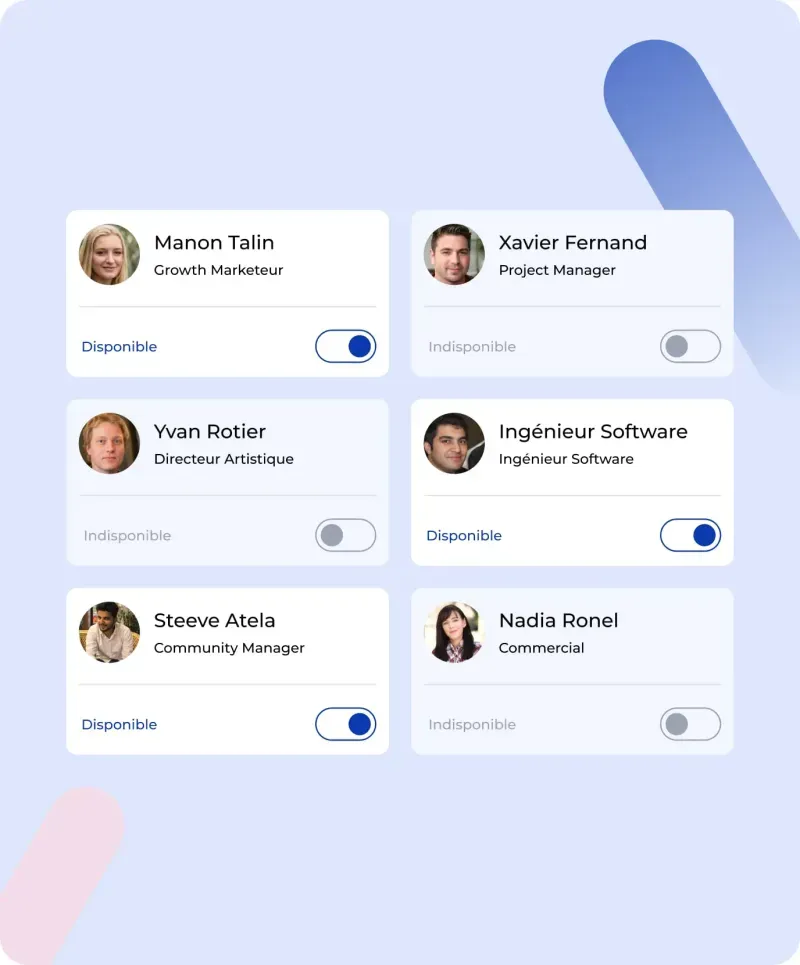
our data picks the headhunters
The AI selects those who have placed the most clinical research associates, from our pool of more than 2,500 vetted headhunters.
03
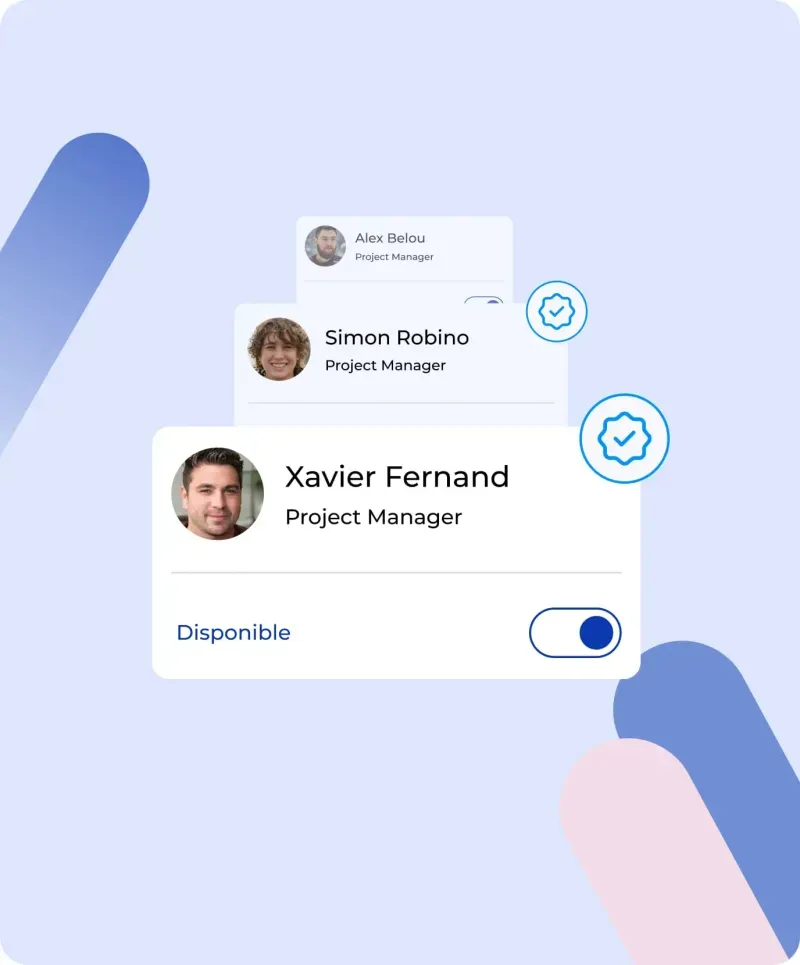
you meet the best candidates
Approached and qualified by headhunters who specialise in clinical research. You choose who you see.

04
you hire, then you pay
Not before. If the hire leaves within 3 months, we restart the search free of charge.
they hired with muzzo
Muzzo's strength is the diversity of its recruiters: there is always someone listening to our needs.

With Muzzo, I get the reactivity of a marketplace and the quality of a search firm.


let's talk about your hire
Antoine and the Muzzo team help you scope your role and choose the right headhunters. Describe your role in the form: we will call you back to talk it through.
Antoine GigomasCEO and co-founder of Muzzo
one last question?
With Muzzo, you set the fee, between 5 and 30%, and only pay it on hire: no deposit, no fixed costs. A junior CRA starting their first visits and a lead CRA overseeing a multi-site trial do not need the same search effort. The fee follows that difficulty, and the Muzzo team helps you set it.
You get a double guarantee. If the hire leaves within 3 months, for instance because the actual site portfolio did not match the brief, we restart the search free of charge. If no replacement is found within 4 months, we refund 50% of the fee. On average, 94% of Muzzo hires are still in post after 3 months.
our clinical research headhunters are ready to start
A hire signed in under 26 days, paid only on hire.
the reality
a clinical trial is won or lost at the investigator sites, not head office
a good CRA is out on a monitoring visit, not reading job ads
They check source data, consent forms and drug stock at the sites. They are not looking for a new role. A clinical research headhunter knows when and how to approach them.
GCP compliance is not negotiable
A poorly written monitoring report or an unreported deviation can derail an entire trial. The headhunter tests methodological rigour, not just knowledge of the protocol.
a vacant role delays patient enrolment
The median delay to enrol a first patient already exceeds 185 days in France. A missing or poorly hired CRA stretches that delay further, site by site.
the roles
the clinical research profiles our headhunters will find for you
From a first role to multi-site oversight, every search starts with a headhunter who has already placed this profile.
junior clinical research associate
Runs their first monitoring visits under supervision, checks source documents and drafts visit reports.
clinical research associate
Manages a portfolio of sites independently, handles regulatory follow-up for the trial and trains investigator teams on procedures.
senior clinical research associate or lead CRA
Oversees a team of CRAs on a multi-site trial, aligns practice across sites and becomes the clinical trial manager's main contact.
clinical trial manager
Runs one or more trials end to end: budget, timeline, relationship with sites and with the sponsor.
CRA within a CRO
Works on behalf of several sponsors at once, across different therapeutic areas and protocols from one month to the next.
our method
a clinical research headhunter, not a generalist agency
A clinical trial is judged on the reliability of the data it produces. Our method starts from what the role needs to cover.
we scope the trial and the role
Phase, therapeutic area, number of sites, sponsor or CRO: the brief describes the trial the CRA will follow, and how much autonomy they will have.
a headhunter who places clinical research roles
From our pool of more than 2,500 vetted headhunters, your role goes to those who place the most candidates in clinical research and industry trials.
monitoring skills tested before interview
The headhunter asks the candidate to walk through a real monitoring visit: what they checked, a deviation they found, how they escalated it. Then they cross-check references.
the figures
clinical research associate recruitment in figures

836
clinical trials for medicines authorised by the ANSM in France in 2025, each one requiring ongoing monitoring by clinical research associates1
185days
median delay to enrol a first patient in an industry-sponsored clinical trial in France in 2025, far from the 120-day target of the Innovation Santé 2030 plan2
209
health facilities partnering on industry-sponsored clinical trials in France, as many sites a CRA may need to visit2
€52k
median gross annual pay for managers in the chemical, biological and clinical engineering family (which includes clinical research associates) in the pharmaceutical industry, 80% between €40k and €75k3
- ANSM, 2025 activity report (opens a new window), 2025 data
- Leem, 15th survey on France's attractiveness for clinical research, May 2026 (opens a new window), 2025 data
- Apec, private-sector managerial pay in 111 job families, 2025 edition, p. 70 (chemical, biological and clinical engineering) (opens a new window), 2025 data
hiring a clinical research associate: what you need to know
A clinical research associate spends most of their time in the field, at investigator sites, checking source data and consent forms rather than behind a desk at head office. Good profiles are rarely available on the open market: they are mid-monitoring campaign and do not reply to job ads.
A clinical research headhunter knows how to identify them and ask the right questions: which therapeutic area, which trial phase, what level of autonomy over sites. This page covers the CRA role itself; for the pharmaceutical industry as a whole, see our pharma page, and for biotech or medtech, our dedicated pages.

A junior CRA runs their first visits under supervision and drafts reports. An experienced CRA manages a portfolio of sites alone and trains investigator teams. A senior CRA or lead CRA oversees a team on a multi-site trial and becomes the trial manager's main contact.
According to Apec, the median pay for managers in this family rises from €43k before 35 to €57k after 45, and line-management responsibility lifts it from €47k to €50k. Decide on the expected level of autonomy in the brief before discussing pay.

A CV lists protocols followed and trial management software. The interview should show something else: the ability to spot a deviation from good clinical practice (GCP) in the field and escalate it without delay.
A short case study works well: an incomplete patient file, a missing consent signature, and what to do next. The headhunter runs this first filter before presenting anyone, and checks referenced trials with past managers.

A CRA employed by a sponsor (pharma, biotech, medtech company) usually follows a limited number of protocols within one therapeutic area. A CRA at a CRO changes protocol and sponsor more often, which demands quick adaptation. A hospital-based CRA works in direct contact with investigator teams at a teaching hospital.
The profile you need changes with the setting: stability and therapeutic expertise for a sponsor, versatility for a CRO. Spell this out in the brief, it shapes the pool the headhunter searches.

According to the Leem, France retains real strengths (209 partner health facilities for industry-sponsored trials, recognised expertise in oncology) but its median delay to enrol a first patient still stands at 185 days in 2025, far from the 120-day target of the Innovation Santé 2030 plan.
This operational pressure falls directly on CRA teams, who are on the front line to activate sites and speed up enrolment. Hiring quickly and well for this role becomes a competitive lever for clinical research conducted in France.
your questions on hiring a clinical research associate
According to the ANSM, 836 clinical trials for medicines were authorised in France in 2025, alongside 144 clinical investigations for medical devices. Each one must be monitored by one or more clinical research associates for its entire duration.
According to the Leem's 15th survey on France's attractiveness for clinical research (May 2026), the median delay to enrol a first patient still stands at 185 days, far from the 120-day target of the Innovation Santé 2030 plan. A slow CRA hire stretches that delay further.
According to Apec, managers in the chemical, biological and clinical engineering family (which includes clinical research associates) earn a median of €52k gross a year in the pharmaceutical industry, with 80% between €40k and €75k (2025 edition). The median rises from €43k before 35 to €57k after 45.
A clinical research associate monitors trials in the field: site visits, source data verification, GCP compliance. A medical science liaison discusses already-published scientific data with experts of reference, with no monitoring responsibility at all. See our dedicated page for that role.
Through a real case rather than a list of protocols followed. Ask them to describe a deviation from good clinical practice they spotted in the field: how they identified it, escalated it and documented it. Our headhunters run this first test and check referenced trials with past managers.
by Antoine Gigomas, CEO and co-founder of Muzzo ·