C and C++ developer recruitment agency and headhunters
your next C / C++ developer, in good hands.
We combine our data, our sector experts and our AI algorithms to identify the headhunter most relevant to your role, from your first C++ developer to someone who optimises a real-time engine.
- no setup fees, pay on hire
- guaranteed replacement
- hire signed in under 26 days
they hire their C++ developers with muzzo
how do you hire a C or C++ developer through a recruitment agency?

A good C/C++ developer manages memory by hand and thinks about performance, not just features. Muzzo gives your role to the headhunters who hire the most on these languages: they check shipped code and constraints genuinely met. You set the fee, 5 to 30%, paid on hire. If your hire leaves within 3 months, we restart the search free.
how it works
you only pay if you hire
01
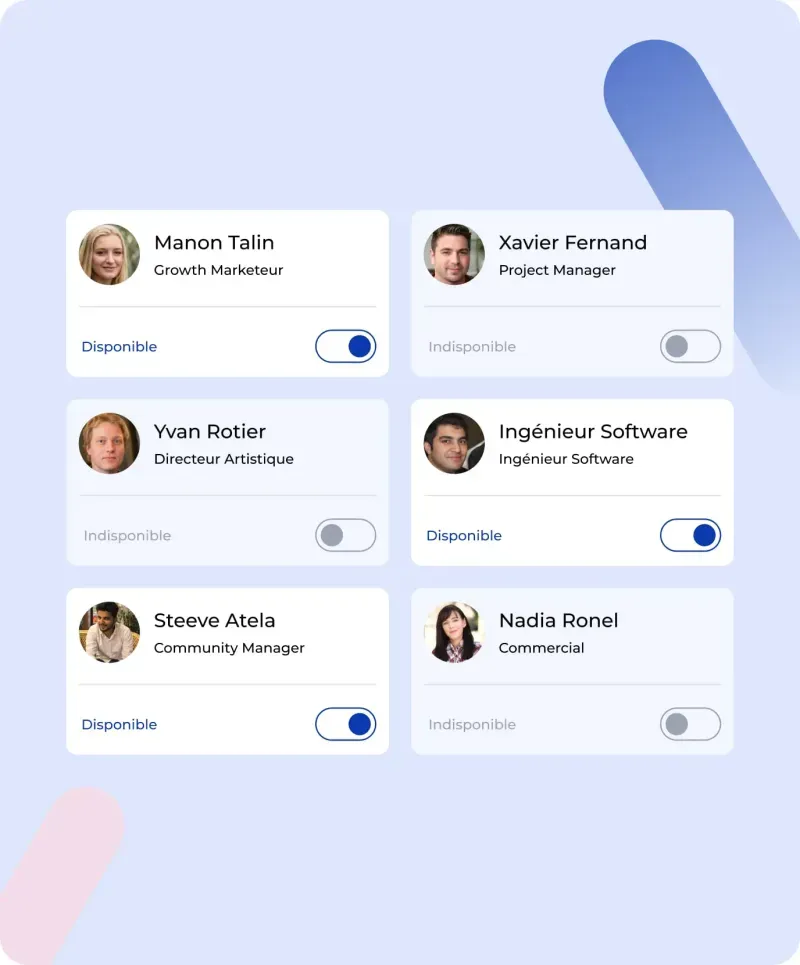
you describe the role
Using the form above: the role, your company, the language and the performance constraint. We scope the rest on the first call with the Muzzo team.

02
our data picks the headhunters
Our AI selects those who have placed the most C and C++ developers, among more than 2,500 vetted headhunters.
03
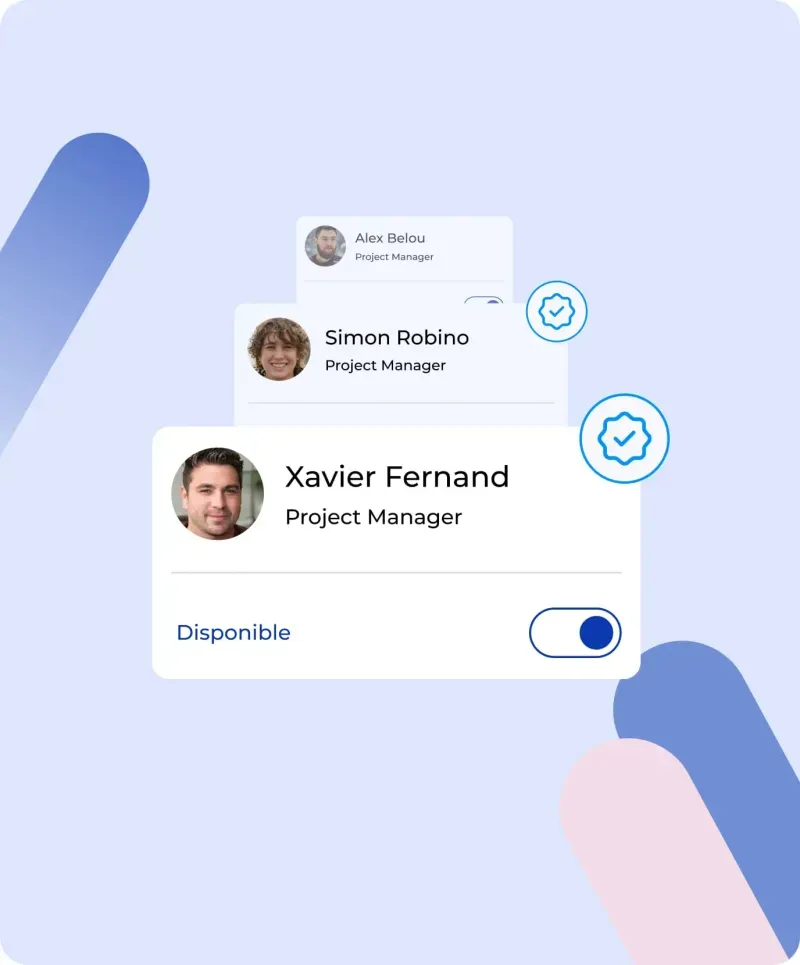
you meet the best profiles
Approached and qualified by headhunters who specialise in C and C++. You choose who you see.

04
you hire, then you pay
Not before. If your hire leaves within 3 months, we restart the search free.
they hired with muzzo
Muzzo's strength is the diversity of its recruiters: there is always someone listening to our needs.

With Muzzo, I get the reactivity of a marketplace and the quality of a search firm.


let's talk through your hire
Antoine and the Muzzo team help you scope your role and pick the right headhunters. Describe your role in the form: we'll call you back to talk it through.
Antoine GigomasCEO and co-founder of Muzzo
one more question?
With Muzzo, you set the fee, between 5 and 30%, and only pay it on hire. A junior C++ developer on an internal project and a low-latency finance C++ developer don't call for the same search: the Muzzo team helps you set the right level.
You get a double guarantee. If your hire leaves within 3 months, for instance because the existing codebase turned out more complex than expected, we restart the search free. If no replacement is found within 4 months, we refund 50% of the fee. 94% of Muzzo hires are still in post after 3 months.
our C and C++ headhunters are ready to start
A hire signed in under 26 days, paid only on hire.
the reality
a C / C++ developer is judged on the performance of their code, not on their CV
C++ on a CV says nothing about actual level
Between a three-month internship and ten years optimising an engine in production, the same word covers very different levels. The headhunter checks shipped code, not a box ticked.
C# is not C or C++
Many job ads and profiles lump the three together, even though the uses and the roles differ widely. The headhunter starts from the real need: hand-managed memory or a managed language.
real time, finance, games, computing: four different worlds
A C++ developer in low-latency finance and a game engine developer don't share the same performance instincts. The headhunter knows both and knows which one fits your need.
the roles
the C / C++ developer profiles our headhunters will source for you
From systems and real time to high-performance computing, each role goes to a headhunter who has already placed this profile.
systems C++ developer
They code close to the operating system: drivers, low-level libraries, performance and fine-grained memory management.
real-time C++ developer
They guarantee predictable response times, often in industry or automotive, where unexpected latency isn't tolerated.
low-latency finance C++ developer
They optimise every microsecond of a trading or pricing engine, where execution speed is worth money.
games C++ developer
They code a game engine or part of the gameplay, with a constant performance constraint of 60 frames per second or more.
scientific computing C / C++ developer
They write simulation or high-performance computing code, often alongside research or engineering teams.
C++ architect
They design the architecture of a complex C++ system and oversee the technical choices of a team of developers.
the method
a headhunter who specialises in C and C++, not an agency that does everything
C and C++ cover very different uses. The method starts from what the role must deliver.
we scope the real use of C or C++
Systems, real time, finance, games or computing: the brief describes the performance constraint you're targeting, not just the language.
a headhunter who places C / C++ developers
Among more than 2,500 vetted headhunters, your role goes to those who place the most on these languages in your sector.
shipped code and constraints checked up front
Projects delivered to production, memory management, performance constraints actually met: the headhunter checks all of it with references before introducing anyone.
the figures
C / C++ recruitment in figures

11.33%
share of the C language in the TIOBE Index for October 2026, which measures programming language popularity: 2nd place worldwide, behind Python; C++ follows in 3rd place with 8.87%1
21.8%
of professional developers use C++ day to day, 19.1% use C2
€46k
median gross annual pay for software development managers working in engineering and R&D, where high-performance computing and real-time systems concentrate (80% between €35k and €69k)3
hiring a C / C++ developer: what you need to know

C and C++ expose memory directly to the developer, unlike managed languages. Badly written code doesn't always crash straight away: it can leak memory or slow down silently for months.
A headhunter who specialises in these languages checks for that: they ask what kind of project the candidate shipped, under what performance constraint, and with what memory diagnostic tools. You meet profiles whose code has already run in production.
C still dominates systems and legacy embedded work. C++ adds object orientation and richer libraries, used in finance, games and scientific computing. C#, meanwhile, runs on a Microsoft-managed environment, with a garbage collector that handles memory for the developer.
A candidate who knows C# doesn't necessarily know C or C++: the memory management and optimisation instincts differ. State the exact language in the brief, rather than the catch-all 'C/C++/C#' you sometimes see.

A real-time C++ developer must guarantee a constant response time, often on an embedded or industrial system. A low-latency finance developer optimises every microsecond of execution. A games developer targets a steady frame rate despite a scene that's always changing.
These three constraints call for different tools and instincts, even with the same language. The brief should state which one applies to your role, to steer the headhunter towards the right pool of candidates.

For a project starting on an existing C++ codebase, someone who can understand legacy code and evolve it without breaking everything is often more useful than a theoretical expert.
For a rebuild or a critical system, you need someone who has already designed a C++ architecture of comparable size, not just contributed to an existing one. The headhunter tells these two profiles apart before introducing them to you.
your questions on hiring a C / C++ developer
The talent pool is narrower than for general-purpose languages. According to Stack Overflow, 21.8% of professional developers use C++ and 19.1% use C, well behind JavaScript or Python. Many job ads mix up C, C++ and C# by mistake, which shrinks the visible pool further for anyone who scopes the brief loosely.
According to Apec, software development managers working in engineering and R&D, where high-performance computing and real-time work concentrate, earn €46k gross median per year, 80% of them between €35k and €69k (2025 edition).
No. C# runs on a Microsoft-managed environment, with no manual memory management, unlike C and C++. If your role mixes both needs, state it in the brief: the profile you need isn't the same.
The headhunter asks what kind of project the candidate shipped to production, under what performance constraint, and with what memory diagnostic tools, then checks it all with references. You meet profiles whose code has already run under real conditions.
Yes. These are very different uses of C++ from a typical enterprise system, with their own performance instincts. We choose headhunters based on your sector, for a profile already used to this kind of constraint.
by Antoine Gigomas, CEO and co-founder of Muzzo ·