lead developer recruitment
your next lead developer, in good hands.
We combine our data, our sector experts and our AI algorithms to identify the headhunter most relevant to your role, from the tech lead who still codes to the lead who manages a whole team.
- no setup fees, pay on hire
- guaranteed replacement
- hire signed in under 26 days
they hire their tech teams with muzzo
how it works
you only pay if you hire
01
you describe the role
Using the form above: the role, your company, your stack. The rest is scoped in your first conversation with the Muzzo team.

02
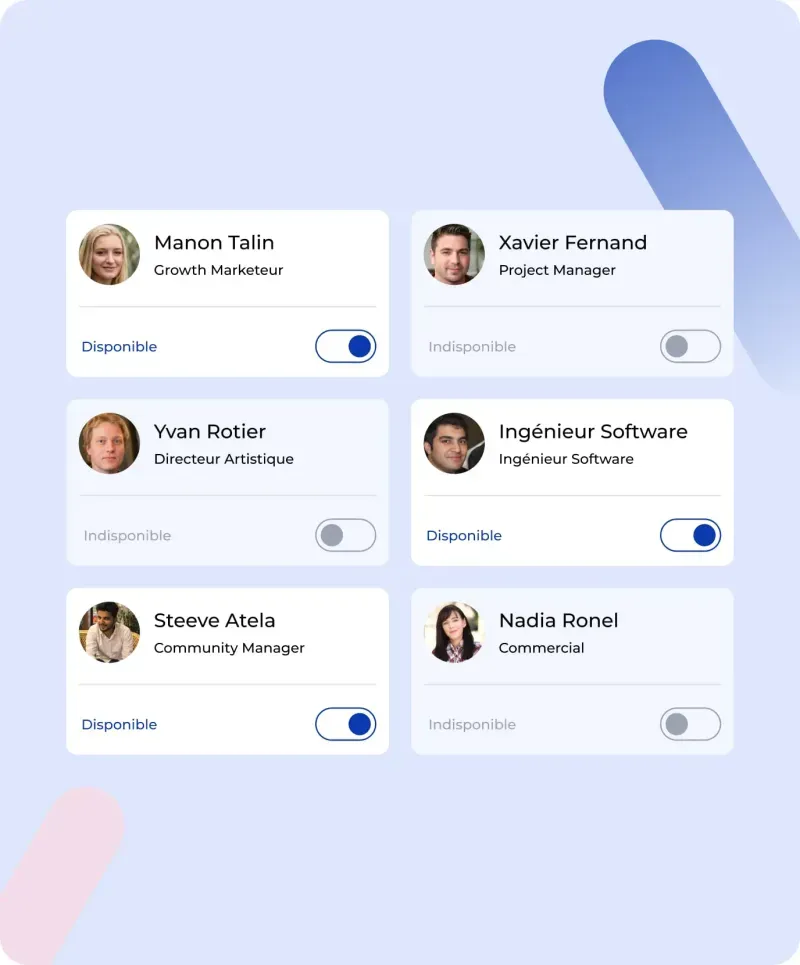
the right headhunters get started
Those who have already placed leads and tech leads on your stack.
03
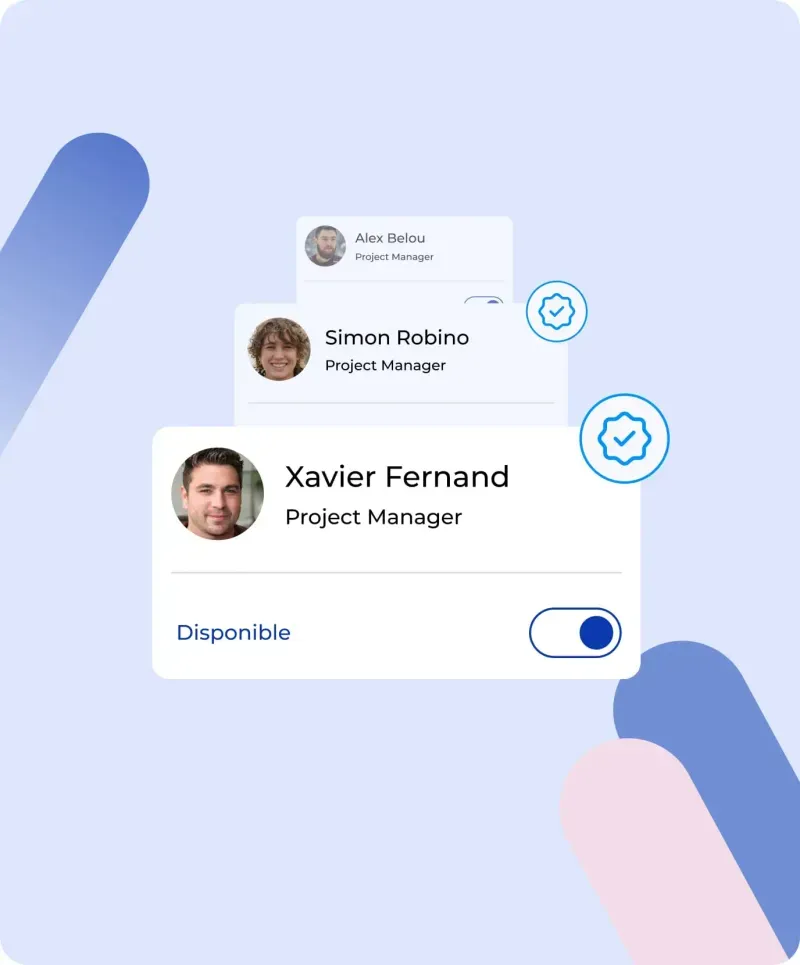
you meet the profiles
Already approached and qualified. You choose who you meet.

04
you hire, then you pay
Not before. If your new hire leaves within 3 months, we restart the search at no cost.
they hired with muzzo
Muzzo's strength is the diversity of its recruiters: there is always someone listening to our needs.

With Muzzo, I get the reactivity of a marketplace and the quality of a search firm.


let's talk about your role
Antoine and the Muzzo team help you scope your role and choose the right headhunters. Describe your role in the form: we'll call you back to discuss it.
Antoine GigomasCEO and co-founder of Muzzo
one last question?
You set the fee for each role, between 5 and 30%. You only pay it once the person is hired. No fixed fees, no deposit. If you don't hire, you pay nothing. The Muzzo team helps you choose the right amount.
You have a double guarantee. If your new hire leaves within 3 months, we restart the search at no cost. If we don't find a replacement within 4 months, we refund 50% of the fees. On average, 94% of new hires are still in post after 3 months.
Click “get started” and describe your role in two steps. The Muzzo team gets back to you to refine the need. Then the headhunters who make the most placements in this role get to work. Launching is free, with no exclusivity.
lead developer headhunters are ready to start
A hire signed in under 26 days. You only pay when you hire.
the reality
a lead developer is judged on what their team has shipped
lead developer, tech lead: not always the same role
In some teams, the lead spends most of their time coding and makes the technical calls. In others, they manage, hire and run performance reviews. The headhunter pins down the split between coding and management before searching.
a great developer doesn't always make a good lead
The role means reviewing other people's code, helping juniors grow and saying no to product when needed. The headhunter checks that the profile has done it before, not just that they code well.
when the lead leaves, the team slows down
Decisions wait, technical debt builds up, developers start to doubt. The headhunter approaches leads already in a job, discreetly, while your team keeps shipping.
the profiles
the leads and tech leads our headhunters go after for you
Each search goes to a headhunter who has already filled roles at that level of responsibility, on your stack.
full stack lead developer
They own code quality end to end and organise the work of a small team. The profile scale-ups look for most.
already hired through Muzzo
backend tech lead
They own the server-side architecture: APIs, database, performance. Often on Java Spring Boot, Node or Python.
already hired through Muzzo
frontend lead
They set the rules for the interface: components, performance, accessibility. They work closely with designers and product.
already hired through Muzzo
mobile lead developer
They own the iOS and Android apps, native or built with Flutter and React Native, and their releases.
already hired through Muzzo
tech lead manager
Half coding, half management: they lead the team day to day and take part in hiring. Often the step before engineering manager.
already hired through Muzzo
data tech lead
They lead the data developers: pipelines, data quality, putting models into production.
already hired through Muzzo
the method
one headhunter per role, not one firm for everything
We have tracked every headhunter since November 2020, on three criteria: how many hires they make, the quality of their profiles, their speed.
you describe the role
You fill in the form, then we talk it through: the split between coding and management, the size of the team, the stack, the salary. You set the fee, between 5 and 30%.
we choose the headhunters
From more than 2,500 selected headhunters, we keep those who place the most developers on your stack.
you meet the right profiles
The headhunters approach every profile and check what their team has shipped and how they helped it grow. You receive few CVs, but profiles that match.
you only pay if you hire
Nothing to pay upfront. No fixed fees, no deposit.
hiring a lead developer: what you need to know
why hiring a lead developer is tricky
A lead developer still codes, but also decides: technical choices, code review, team priorities. A bad hire in this role slows the whole team, not just one feature. So hiring a lead developer means judging both technical skill and the way someone leads a team.
Good leads are employed, have a team they built and few reasons to leave. A tech headhunter goes after them with a precise pitch: team size, state of the codebase, room to decide.

lead developer, tech lead, engineering manager: what is the difference?
Lead developer and tech lead often mean the same role: the technical reference of a team, who codes a good part of the time. An engineering manager manages people: hiring, one-to-ones, career growth. The CTO owns the company's technical strategy.
In a small team, a lead who codes is often enough. As the team grows, an engineering manager becomes useful. In the brief, state how much coding is expected: it is the first thing the people we approach will ask.
promote from within or hire a lead developer?
Promoting a developer from the team has advantages: they know the code and the product. The risk is losing a good developer to gain a lead who is new to management. Hiring externally brings proven experience and a fresh view of architecture and practices.
The headhunter can help you decide by showing you who is available on the market before you choose. Nothing to pay unless you hire. And if you end up promoting from within, you have lost nothing.
what a headhunter checks before introducing a lead
The headhunter asks what the lead changed in their team: a code review practice set up, a migration led, developers trained, more frequent releases. They check the size of the team led and the stack used day to day, compared with yours.
They also assess how the person makes decisions and says no, often by talking to former colleagues with their consent. You meet few profiles, but leads who have already held the role.
how much does it cost to hire a lead developer with Muzzo?
Most agencies charge a percentage of the new hire's gross annual salary, sometimes with a deposit when the search starts. With Muzzo, you set the fee, between 5 and 30%, and you only pay it on hire. No deposit, no fixed fees, and getting started is free, with no exclusivity.
If the new hire leaves within 3 months, we restart the search at no cost. If no replacement is found within 4 months, we refund 50% of the fee. On average, a Muzzo hire is signed in 26 days, from brief to signature.
your questions about hiring lead developers and tech leads
On average, a Muzzo hire takes 26 days, across all roles, over the last 12 months. For a lead developer, the timing depends mostly on how much management you expect and the stack. The Muzzo team gives you an estimate from your first conversation.
Both titles often describe the same role: the developer who owns a team's technical choices. Depending on the company, the tech lead codes more and the lead developer manages more, or the other way round. The headhunter starts from what you expect day to day, not from the title.
Promoting keeps product knowledge, but you lose a developer and the new lead learns on the job. Hiring brings someone who has already led a team. Many teams hire a lead when nobody in-house has done it before.
Yes. Engineering manager, head of engineering, CTO: each level goes to the headhunters who already recruit at that level. The developers page covers these roles in detail.