buyer recruitment agency and headhunters
your next buyer, in good hands.
We combine our data, our sector experts and our AI algorithms to identify the headhunter most relevant to your role, from junior buyer to head of procurement.
- no setup fees, pay on hire
- guaranteed replacement
they hire their buyers with muzzo
how do you hire a buyer through a recruitment agency?
A good buyer negotiates a price and holds quality and delivery. Muzzo gives your role to headhunters who place buyers most often: they test negotiated gains and sourced suppliers, both direct and indirect. Fee of 5 to 30%, paid on hire. Leaves within 3 months: we restart the search free.
how it works
you only pay if you hire
01
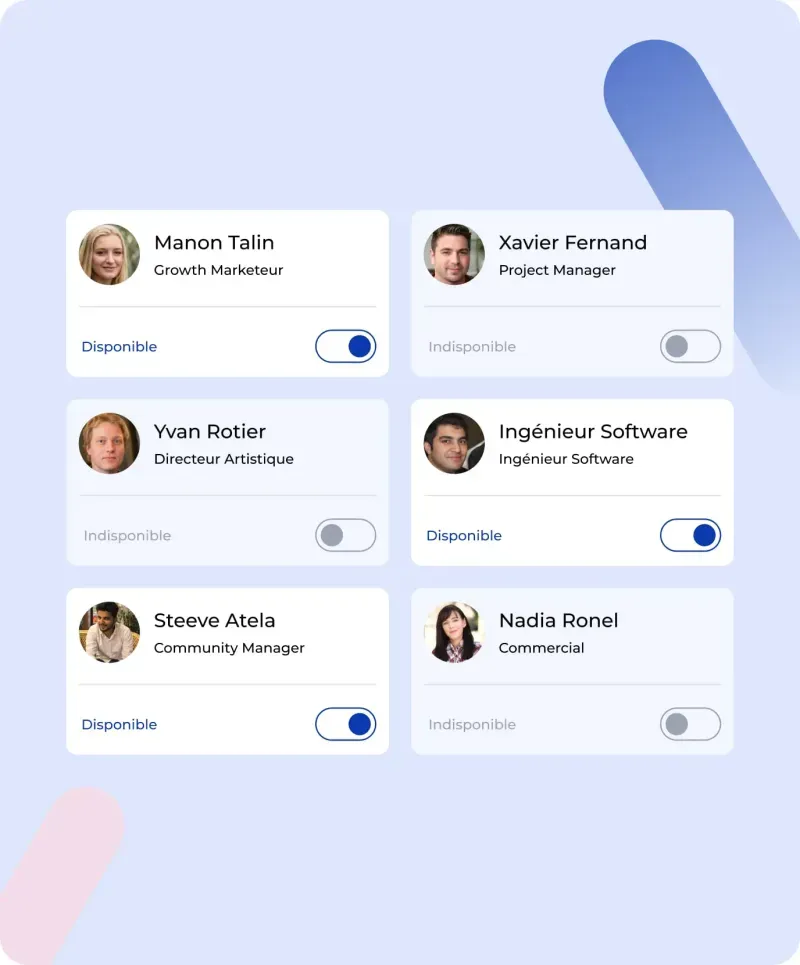
you describe the role
Using the form above: the role, your company, your sourcing category. The rest is scoped in your first conversation with the Muzzo team.

02
our data chooses the headhunters
Our AI picks those who have placed most buyers, from more than 2,500 selected headhunters.
03
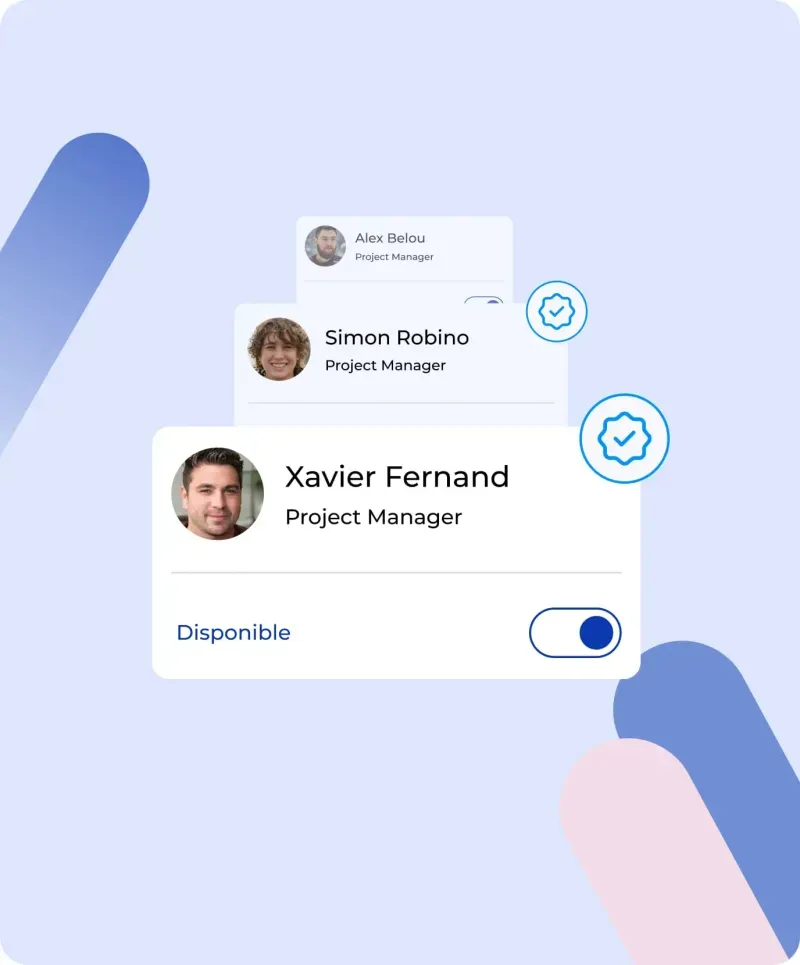
you meet the best profiles
Approached and qualified by procurement headhunters. You choose who you meet.

04
you hire, then you pay
Not before. If your new hire leaves within 3 months, we restart at no cost.
they hired with muzzo
Muzzo's strength is the diversity of its recruiters: there is always someone listening to our needs.

With Muzzo, I get the reactivity of a marketplace and the quality of a search firm.


let's talk about your role
Antoine and the Muzzo team help you scope your role and choose the right headhunters. Describe your role in the form: we'll call you back to discuss it.
Antoine GigomasCEO and co-founder of Muzzo
one last question?
With Muzzo, you set the fee, between 5 and 30%, and pay only on hire: no deposit, no fixed fees. A junior buyer on a narrow scope and a head of procurement leading a team don't take the same search. The fee follows that difficulty, and Muzzo helps you set it.
You have a double guarantee. If your new hire leaves within 3 months because the real scope doesn't match the brief, we restart at no cost. No replacement within 4 months: we refund 50% of fees. On average, 94% of Muzzo hires stay after 3 months.
procurement headhunters are ready to start
A hire signed in under 26 days, paid only on hire.
the reality
a buyer is judged by the price negotiated, not their CV
a good buyer already has a supplier on the phone
They negotiate live contracts and know their supplier base. They're not job hunting. A procurement headhunter knows when and how to approach them.
direct and indirect sourcing don't hire the same way
A direct-sourcing buyer negotiates materials and components that go into the product. An indirect-sourcing buyer negotiates support costs: IT, facilities, consulting. The headhunter starts from that scope, not the title.
a hiring mistake shows in the margin
A bad contract negotiated, an unqualified supplier, a supply interruption. The headhunter checks negotiated gains and sourcing categories held before introducing anyone.
the roles
the buyer profiles our headhunters go after for you
From junior buyer to category manager, each search goes to a headhunter who has already hired that profile.
junior buyer
They run standard RFPs, track live contracts and prep negotiations for a senior buyer.
direct-sourcing buyer
They negotiate raw materials, components or subcontracting that goes into the finished product, with quality and production teams.
indirect-sourcing buyer
They negotiate indirect purchases: IT, facilities, consulting, business travel.
project buyer
They step in on one project, from need definition to contract, often alongside a project manager.
category manager
They own one sourcing category across multiple sites or subsidiaries, and build supplier strategy.
head of procurement
They lead the buyer team, set supplier policy and report to the CEO or supply chain director.
the method
a procurement headhunter, not an agency that does everything
A buyer is judged by what they negotiate, not their supplier list. The method starts from the sourcing category to cover.
we define the sourcing category to cover
Direct or indirect sourcing, materials, services or projects: the brief describes what the buyer will negotiate, and with which internal teams.
a headhunter who places buyers
From more than 2,500 selected headhunters, your role goes to those who place most in procurement.
a negotiated gain verified before the interview
The headhunter asks the profile to detail a recent negotiation: starting price, price obtained, concessions made. Then they cross-check with references.
the figures
a buyer's salary in figures
source: Apec, private-sector managerial pay in 111 job families, 2025 edition, p. 7 (procurement) (opens a new window), 2025 data
source: Apec, private-sector managerial pay in 111 job families, 2025 edition, p. 7 (procurement) (opens a new window), 2025 data
source: Apec, private-sector managerial pay in 111 job families, 2025 edition, p. 7 (procurement) (opens a new window), 2025 data
source: Apec, private-sector managerial pay in 111 job families, 2025 edition, p. 7 (procurement) (opens a new window), 2025 data
hiring a buyer: what you need to know
why use a headhunter to hire a buyer?
The buyer negotiates a price, but also delivery, quality and payment terms. Good profiles are in post, in the middle of a negotiation or RFP, and don't answer ads.
A procurement headhunter knows how to approach them and ask the right questions: which category, what purchase volume managed, which suppliers already sourced. This page covers the buyer role itself; for the wider function, see our procurement and supply chain page.

direct-sourcing or indirect-sourcing buyer: which to hire?
The direct-sourcing buyer negotiates materials, components or subcontracting that goes into the product, working directly with quality and production. The indirect-sourcing buyer negotiates support costs: IT, facilities, consulting.
These two roles need different supplier networks. Clear the category in the brief: it changes which headhunter to use.
how do you assess a buyer at interview?
The CV lists sourcing categories and volumes. The interview must show something else: how the candidate builds power against a supplier, and what they give up for a price.
A case study works: a supplier raises prices, three response options, explain your choice. The headhunter screens this first before introducing anyone, and checks with references the gains really negotiated.
junior or senior buyer: what changes?
A junior buyer runs standard RFPs, on a narrow scope, often with close supervision. A senior buyer runs complex negotiations solo, manages a larger supplier base and can lead a junior buyer.
Pay follows age more than years on the job: according to Apec, the median goes from €48k before 35 to €59k after 45. Decide the level in the brief before talking salary.
buyer in manufacturing or retail: what changes?
In manufacturing, the buyer negotiates raw materials and technical components, often with long supply cycles. In retail, they negotiate product ranges, with different volumes and rotation.
According to Apec, the median is €57k in manufacturing against €50k in retail. The headhunter starts from that sector to target the right network.
your questions about hiring a buyer
According to Apec, procurement managers earn €54k gross median per year, with 80% between €41k and €75k (2025 edition). The median is €48k before 35 and reaches €59k after 45.
Slightly. According to Apec, the median is €57k gross per year in manufacturing, against €50k in retail (2025 edition). The gap is modest compared to other factors like age or responsibility.
The buyer negotiates one or more specific sourcing categories. The head of procurement and supply chain runs the whole function, often procurement and logistics together. For that wider scope, see our procurement and supply chain page.
The headhunter asks for facts: starting price, price obtained, concessions given, on a recent negotiation. They cross-check with references. You meet profiles whose gains negotiated are verified, not just told.