blockchain developer recruitment agency and headhunters
your next blockchain developer, in good hands.
We combine our data, our sector experts and our AI algorithms to identify the headhunter most relevant to your role, in a market watched closely by financial regulators.
- no setup fees, pay on hire
- guaranteed replacement
they hire their tech profiles with muzzo
how do you hire a blockchain developer through a recruitment agency?

Blockchain developers write smart contracts and protocols, for crypto start-ups and banks subject to the MiCA framework. Muzzo gives your role to the headhunters who hire the most in this market: they check audited smart contract code. You set the fee, from 5 to 30%, paid on hire. Leaves within 3 months: we restart the search free.
how it works
you only pay if you hire
01
you describe the role
Using the form above: the role, your company, your stack. The rest is scoped in your first conversation with the Muzzo team.

02
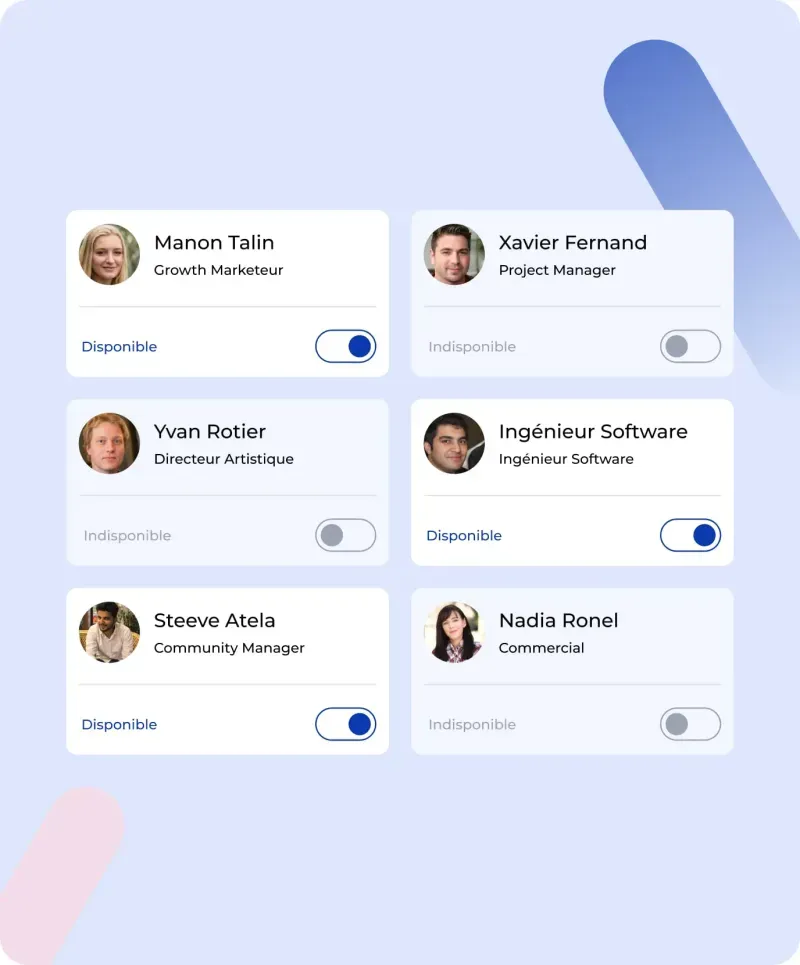
our data chooses the headhunters
Our AI picks those who have hired the most blockchain developers, from more than 2,500 selected headhunters.
03
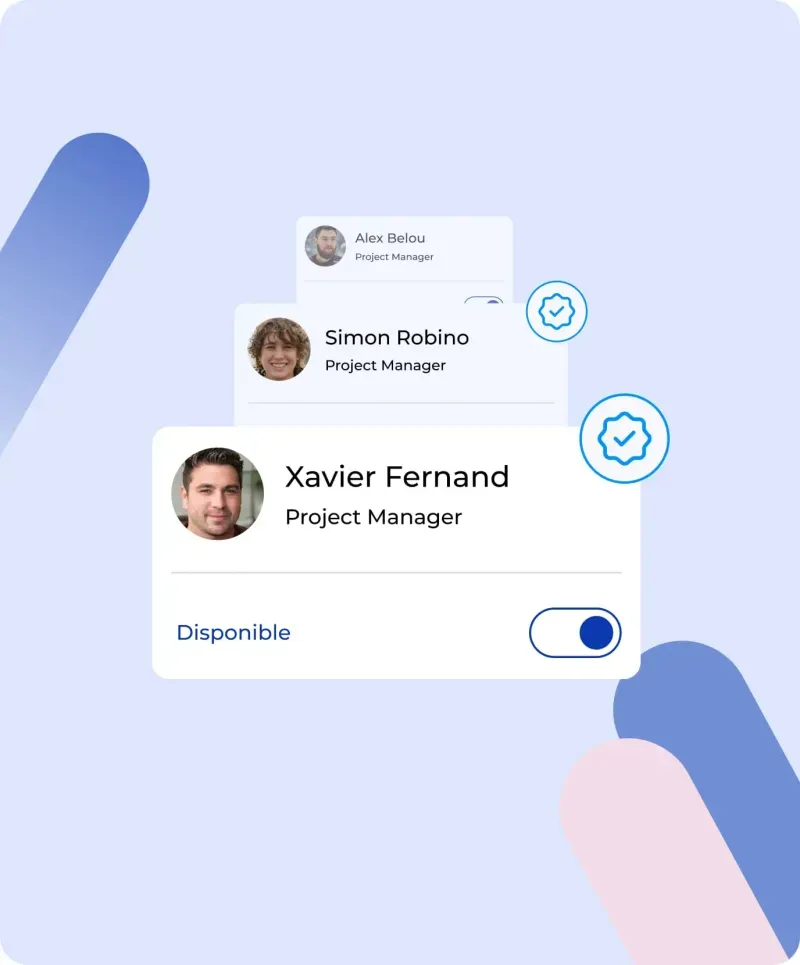
you meet the best profiles
Approached and qualified by headhunters who are experts in the field. You choose who you meet.
04
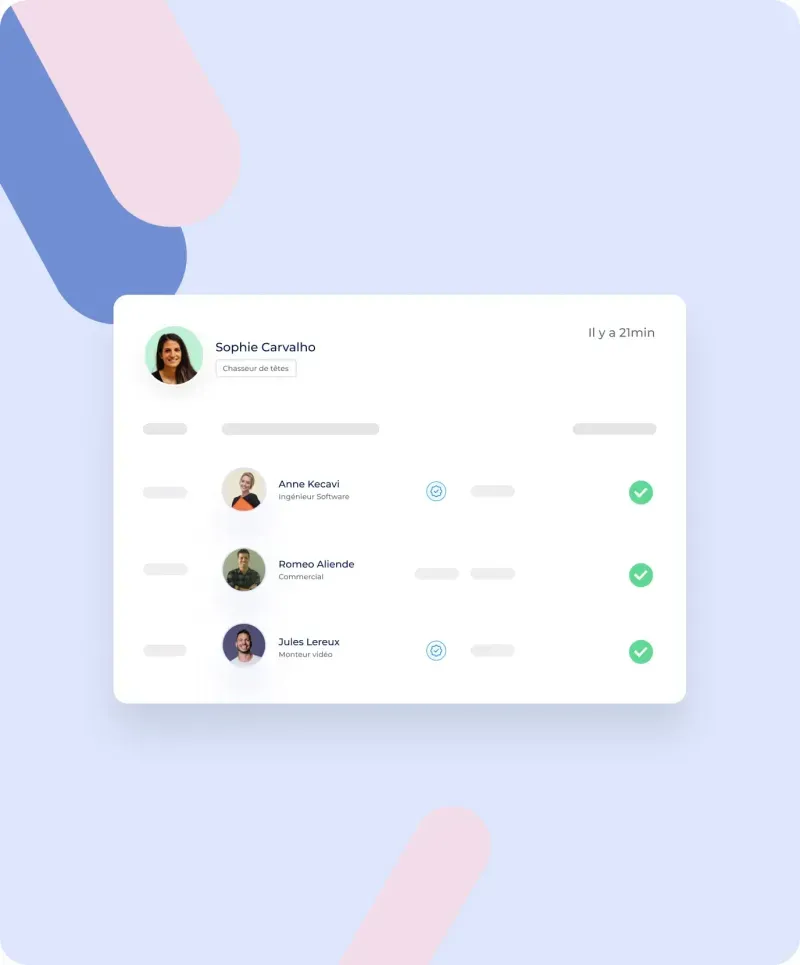
you hire, then you pay
Not before. If your new hire leaves within 3 months, we restart the search at no cost.
they hired with muzzo
Muzzo's strength is the diversity of its recruiters: there is always someone listening to our needs.

With Muzzo, I get the reactivity of a marketplace and the quality of a search firm.


let's talk about your role
Antoine and the Muzzo team help you scope your role and choose the right headhunters. Describe your role in the form: we'll call you back to discuss it.
Antoine GigomasCEO and co-founder of Muzzo
one last question?
With Muzzo, you set the fee, between 5 and 30%, and you only pay it on hire: no deposit, no fixed fees. A junior smart contract developer and a highly experienced protocol engineer don't take the same search. The fee follows that difficulty, and the Muzzo team helps you set it.
You have a double guarantee. If your new hire leaves within 3 months, for example because the real project differs from the brief, we restart the search at no cost. If we find no replacement within 4 months, we refund 50% of the fees. On average, 94% of Muzzo hires are still in post after 3 months.
blockchain headhunters are ready to start
A hire signed in under 26 days. You only pay when you hire.
the reality
a blockchain developer isn't hired like a standard tech role
few profiles, already held by several projects
They write or audit smart contracts on one or two protocols at a time, often approached in parallel by other teams. A headhunter who knows this sector knows where to find them before they sign elsewhere.
a smart contract isn't judged on a crypto CV
Mentions of "blockchain" or "web3" on a profile say nothing about code rigour. The headhunter gets them to walk through a deployed contract and the audits that preceded it.
banks and crypto start-ups don't expect the same profile
A fintech under the MiCA framework looks for compliance as much as code. A crypto start-up looks for execution speed. The headhunter adjusts the search to this context, not just the language.
the roles
the blockchain developer profiles our headhunters go after for you
From smart contracts to asset tokenisation, each role goes to a headhunter who has already hired that profile.
smart contract developer (Solidity)
They write and audit contracts deployed on a public blockchain, where a flaw translates into real lost funds.
blockchain Rust developer
They code protocols or blockchain clients in a language where memory safety limits critical flaws.
protocol engineer
They design the consensus, validation or interoperability rules of a blockchain network.
wallet and custody developer
They build the tools that store and secure users' or institutions' private keys.
asset tokenisation engineer
They adapt financial, property or collectible assets into a format issued and traded on a blockchain.
blockchain compliance and reporting developer
They connect the code to MiCA obligations: transaction traceability, reporting to regulators.
the method
a headhunter who knows blockchain, not a generalist recruiter
Smart contracts, protocol, wallet or compliance: the method starts from the exact domain of the role.
we frame the domain and the regulatory context
Smart contracts, protocol, wallet, tokenisation or MiCA compliance: the brief states the domain and whether the company is a crypto start-up, a bank or a fintech.
a headhunter who hires in this market
From more than 2,500 selected headhunters, your role goes to those who have already hired blockchain or web3 profiles.
contract code, checked
The headhunter asks for a deployed smart contract or an open-source project shipped by the profile, and cross-checks with references the audits that followed.
the figures
the blockchain developer market in figures

70%
of respondents identify as smart contract developers, the most sought-after discipline in blockchain development
57%
read/write code professionally, against 22% for non-professional use and 19% still learning
49%
use Solidity, the reference language for smart contracts, every day
hiring a blockchain developer: what you need to know

Blockchain development remains a recent specialism: few courses cover it in depth, and most active profiles learned it after another language, self-taught or on open-source projects. Strong profiles are rare and tracked by several teams at once.
A headhunter who knows this market knows where to look: published code repositories, protocol developer communities, specialist conferences. This page covers blockchain development; for the Rust language alone, see our Rust developer page.

A smart contracts profile writes and audits code deployed on a public blockchain, most often in Solidity. A protocol profile designs the consensus or interoperability rules of a network. A wallet profile secures private key storage, and a tokenisation profile adapts a real asset into a format tradeable on a blockchain.
State the domain in the brief: an excellent smart contract developer doesn't necessarily have the instincts expected on a consensus protocol, and vice versa.
According to the Solidity Developer Survey 2025, 70% of respondents identify as smart contract developers, the most in-demand discipline in the sector, and 57% read/write code professionally (the rest doing side projects or still learning).
A CV that cites "blockchain" or "web3" guarantees nothing on this point: a specialist headhunter tells apart a profile who has really deployed and audited code from one who just took an online course.

Crypto start-ups hire to build protocols or consumer products. Banks and fintechs hire to tokenise assets or monitor transactions, under the European MiCA regulation: since 1 July 2026, a crypto-asset service provider can no longer operate in France without the European CASP licence issued or recognised by the AMF.
This regulatory framework changes the profile sought: a blockchain developer working for a bank must understand traceability and reporting requirements, not just the contract code.
how do you assess a blockchain developer at interview?
A CV isn't enough: ask for a real smart contract, deployed or audited, and have them explain a security flaw they fixed or avoided.
The headhunter then cross-checks with references what the profile shipped: a senior blockchain developer should be able to justify every security choice, not just quote the sector's vocabulary.
your questions about hiring a blockchain developer
Since 1 July 2026, France's national regime for digital asset service providers has expired: only providers holding the European CASP licence, issued under the MiCA regulation, can still operate in France. This framework hires both technical and compliance profiles.
According to the Solidity Developer Survey 2025, 70% of respondents identify as smart contract developers and 57% read/write code professionally. The rest develop as a side project or are still learning, which explains the scarcity of experienced profiles.
The three require different skills. A smart contracts profile writes and audits contract code, a protocol profile designs a network's rules, a wallet profile secures private key storage. State the domain in the brief so the headhunter targets the right profile.
No. A bank or fintech under the MiCA framework also looks for compliance and transaction traceability, not just code performance. A crypto start-up favours execution speed. The headhunter adjusts the search to this context.
by Antoine Gigomas, CEO and co-founder of Muzzo ·