developer recruitment agency and headhunters for digital health
developers who build on health data, hired by headhunters who know healthtech.
We hand your role to the headhunter with the most developer hires at healthtechs, medtechs and laboratories: certified hosting, hospital interoperability, patient records.
- no setup fees, pay on hire
- guaranteed replacement
they hire their developers with muzzo
how do you hire a developer for a healthtech or a health company?

Muzzo recruits digital health developers: teleconsultation platforms, patient records, medical imaging. Each role goes to the headhunters with the most hires in this sector: they check the candidate's experience with certified health-data hosting. Fee of 5 to 30%, paid on hire. Leaves within 3 months: we restart the search free.
how it works
you only pay if you hire
01
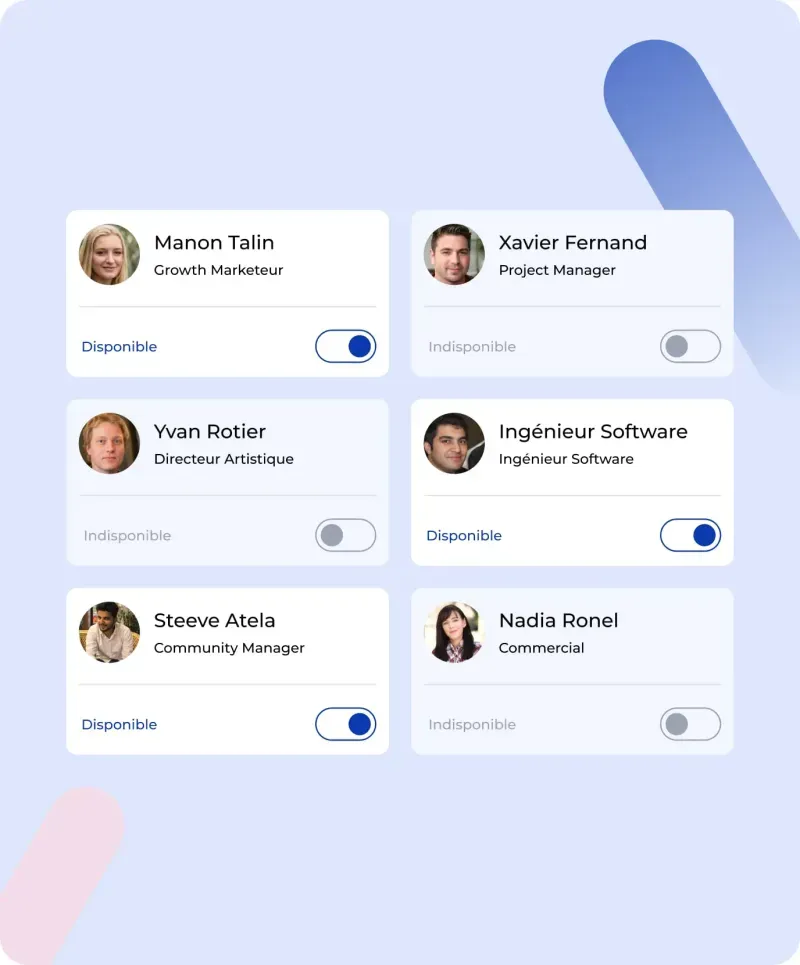
you describe the role
Using the form above: the role, your company, your sector. The rest is scoped in your first conversation with the Muzzo team.

02
the right headhunters get started
Those who have already hired developers for healthtechs, medtechs or laboratories.
03
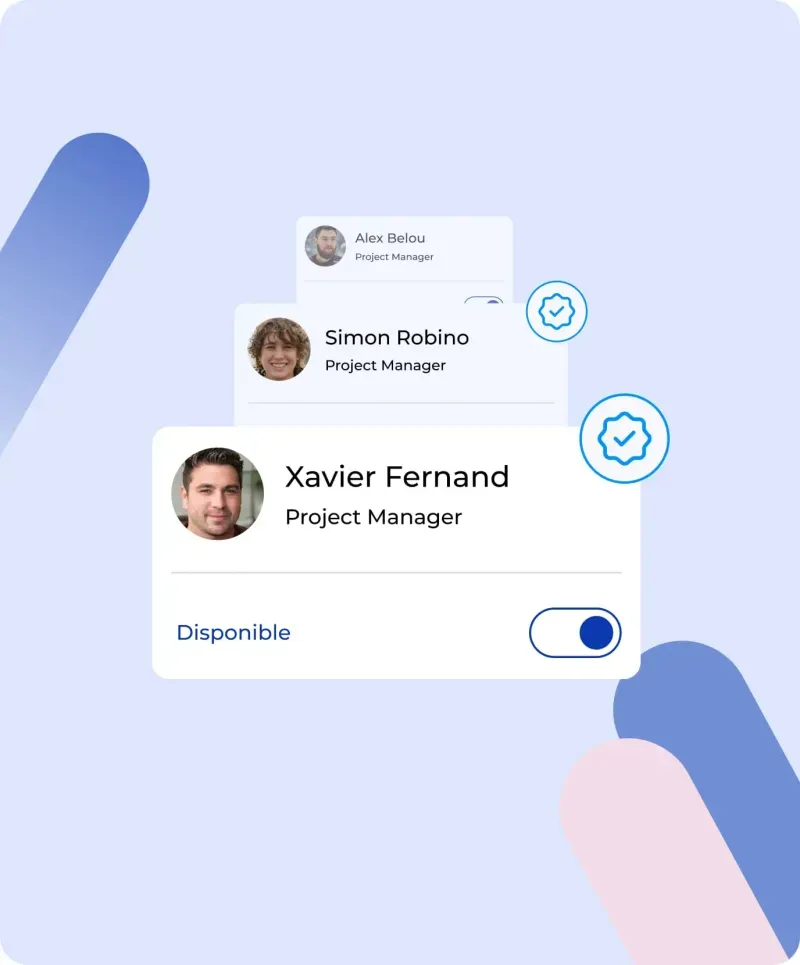
you meet the profiles
Approached and technically screened by the headhunter. You choose who you meet.
04
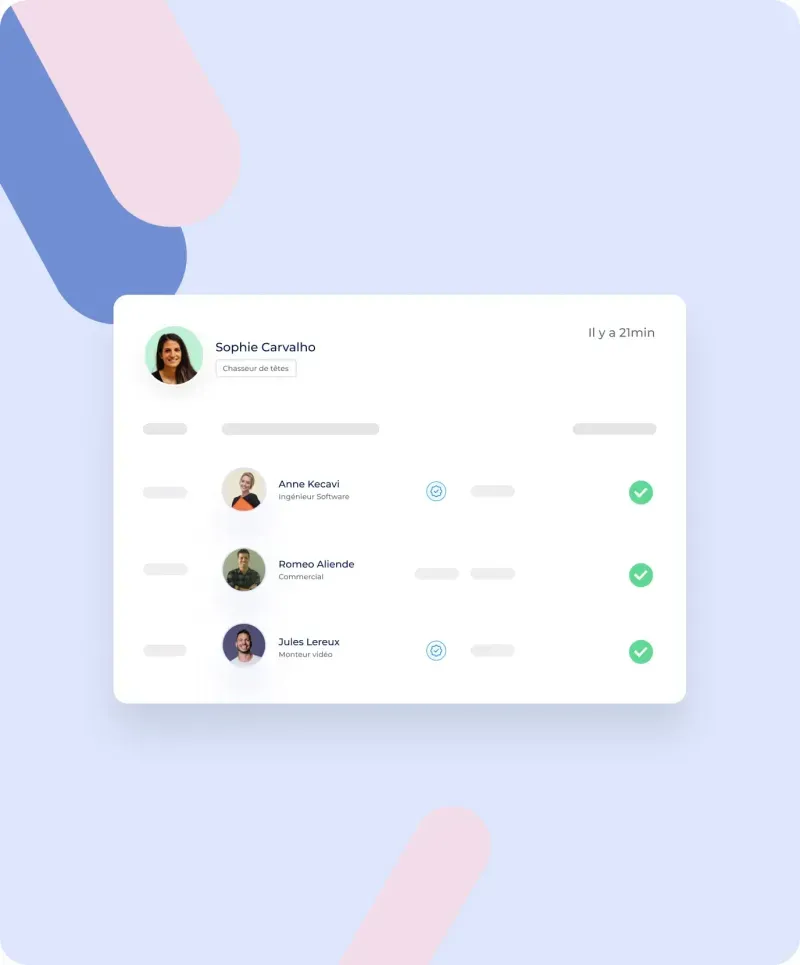
you hire, then you pay
Not before. If your new hire leaves within 3 months, we restart the search at no cost.
they hired with muzzo
Muzzo's strength is the diversity of its recruiters: there is always someone listening to our needs.

With Muzzo, I get the reactivity of a marketplace and the quality of a search firm.


let's talk about your role
Antoine and the Muzzo team help you scope your role and choose the right headhunters. Describe your role in the form: we'll call you back to discuss it.
Antoine GigomasCEO and co-founder of Muzzo
one last question?
You set the fee for each role, between 5 and 30%, and you only pay it on hire. No deposit, no fixed fees. A full stack developer on a consumer app and a data engineer handling medical imaging don't call for the same search effort: the fee follows that difference.
You get a double guarantee. If your new hire leaves within 3 months, we restart the search at no cost. If no replacement is found within 4 months, we refund 50% of the fees. On average, 94% of Muzzo hires are still in post after 3 months.
our digital health headhunters are ready to start
A hire signed in under 26 days. You only pay when you hire.
the reality
a digital health developer codes against a patient record, not a demo
a bug doesn't lose an order, it loses a medical record
A teleconsultation platform or a digital patient record doesn't tolerate the same margin of error as a consumer app. The headhunter checks what the profile has already run on a monitored system.
health-data hosting is regulated, not optional
French public health law requires personal health data to be entrusted to a certified host. A developer who has already worked under this framework saves months of compliance work.
digital health competes for the same developers as the rest of tech
A healthtech and a general-purpose software vendor sometimes fight over the same data or backend profile. At Muzzo, each role goes to the headhunter who knows this market, not just the job title.
the roles
the developers our headhunters go after for digital health
From teleconsultation platforms to medical imaging, each role goes to a headhunter who knows the sector's constraints.
full stack developer, health product
They ship features for a teleconsultation, appointment-booking or patient-monitoring platform, from the form to the back office.
data engineer and data scientist, health
They structure and exploit medical data and imaging, under confidentiality rules stricter than in most sectors.
interoperability and hospital integration engineer
They connect a digital health product to a hospital's information systems, a required step to get adopted by care teams.
mobile developer, health
They ship the app patients and carers use for monitoring, appointment booking or teleconsultation.
devops and security engineer, health hosting
They maintain the infrastructure at a certified health-data host and handle the resulting audits.
the method
a headhunter who knows the constraints of digital health
Hiring a developer for a healthtech isn't the same as hiring for a consumer app: health data and certified hosting change the profile you need.
the brief starts from the product and the data it handles
Teleconsultation platform, patient record or imaging, the sensitivity level of the data: these decide the profile needed, before the stack even comes up.
a headhunter who specialises in digital health
Among more than 2,500 selected headhunters, your role goes to those with the most developer hires at healthtechs, medtechs and laboratories.
certified hosting experience checked
The headhunter checks what the profile has already run with a certified health-data host, and their experience with the resulting audits.
the figures
developer hiring in digital health in figures

2,800
active companies in biotech, medical devices and digital health in France, a sector France Biotech judges mature
80,000
direct jobs in French healthtech, where data science and IT profiles rank among the most sought after according to France Biotech
60
of digital health products already embed generative artificial intelligence, a younger and more commercialised segment than the rest of healthtech
hiring developers for a healthtech or a health company

A teleconsultation platform or a digital patient record handles some of the most sensitive data there is. An outage or a leak can't be fixed the way it would be on a consumer app, and the code is subject to hosting rules few sectors share.
The headhunter checks what the profile has already run in this kind of environment: certified hosting, audits, incident management. A good developer elsewhere isn't necessarily a good fit here without that experience.

French public health law (article L1111-8) requires personal health data to be entrusted to a certified host, bound by professional secrecy. A digital health platform can't host its data just anywhere.
In practice, technical teams must choose certified hosting and document their processing. A developer or security engineer already trained on this framework integrates faster, and avoids months of compliance work after the fact.
A consumer teleconsultation app and a tool connected to a hospital's information system don't call for the same skills. The second requires experience with hospital interoperability, a required step to get adopted by care teams.
According to France Biotech, the digital health segment shows 76% of products already commercialised, against a wider healthtech sector still further behind. This maturity explains why experienced interoperability profiles are in demand.

According to France Biotech, French healthtech represents close to 2,800 companies and around 80,000 direct jobs, and data science and IT profiles rank among the most sought after. A developer already in post has plenty of choice, often between a healthtech and a general-purpose software vendor.
The headhunter highlights what matters most to this profile: the tangible impact on users' health, the product's technical maturity, and the growing share of generative artificial intelligence in new features, already present in 60% of digital health products according to France Biotech.
your questions about developer recruitment in digital health
Yes. French public health law requires personal health data to be entrusted to a certified host. A developer or security engineer who has already worked under this framework settles into the role faster.
According to France Biotech, the sector counts close to 2,800 active companies in biotech, medical devices and digital health, for around 80,000 direct jobs. Data science and IT profiles rank among the most sought after in the sector.
Yes, increasingly. According to France Biotech, 60% of digital health products already embed generative artificial intelligence, a segment younger and faster to commercialise than the rest of healthtech.
Our developers page covers every employer, from industry to IT consultancies. This page is for healthtechs, medtechs and laboratories, where the code handles health data under precise hosting rules.
Our health page covers every job in healthtech, from regulatory affairs to sales. This page is for technical roles: developers, data engineers and interoperability engineers.
by Antoine Gigomas, CEO and co-founder of Muzzo ·