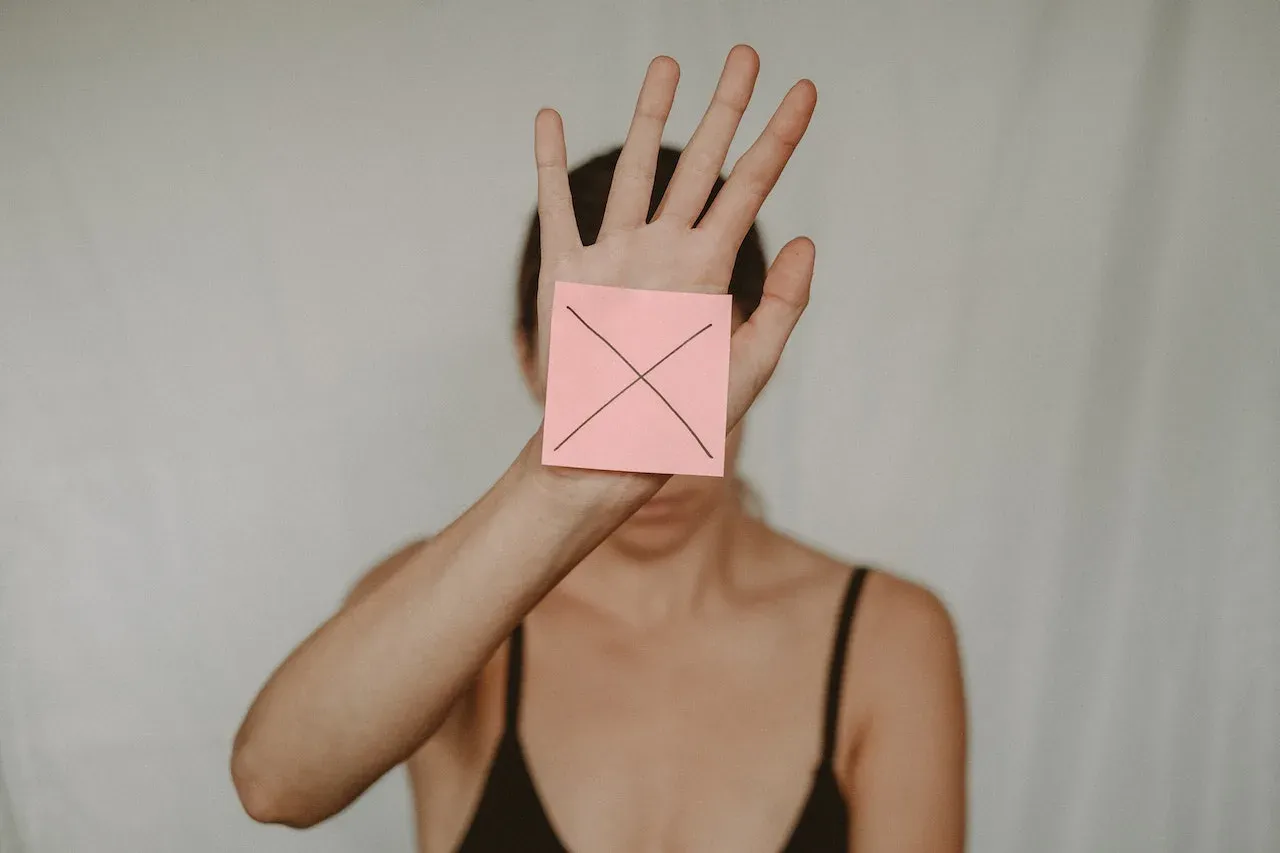
Physical appearance still carries weight in hiring, even though the law prohibits it as a selection criterion. According to the 18th barometer of the Défenseur des droits (opens a new window) (the French rights ombudsman), 10% of working people who have been through a job, competitive-exam or evaluation interview were asked about their appearance: 19% of 18-29 year-olds, against 3% of 50-64 year-olds. A company keeps control over three things: criteria written down before seeing the candidates, the same questions for everyone, and a decision justified by skills.
What is discrimination in hiring?
Discrimination in hiring means ruling out a candidate, or treating them less favourably, for a reason unrelated to their skills: age, sex, origin, disability, physical appearance, among others.
The law prohibits it. Under article L1132-1 of the Code du travail (opens a new window) (the French labour code), no one may be excluded from a hiring process because of their physical appearance, surname or place of residence, among other grounds. For an individual, the Code pénal (opens a new window) (the French criminal code) punishes a refusal to hire on any of these grounds with three years' imprisonment and a €45,000 fine. A company declared criminally liable faces, for its part, a fine under its own specific rules, and other penalties (article 225-4).
For a company, the cost does not stop at legal proceedings. Ruling out a candidate on how they look means depriving the company of a skill and damaging its reputation as an employer.
The figures on discrimination in hiring
More than 9 in 10 working people believe there is discrimination in employment, sometimes or often. That is what the 18th barometer of the Défenseur des droits shows, published in December 2025 with the International Labour Organization (ILO) (press release (opens a new window)).
In the same barometer, physical appearance is among the grounds frequently reported by people who were discriminated against during a job search.
As for interviews, 52% of people who had a job, competitive-exam or evaluation interview in the past five years say they were asked a question about a characteristic protected by law. Those questions most often concern age. The barometer does not specify the context of each question, but the Défenseur des droits sees in them a reflection of stereotypes that can lead to discrimination in hiring. It also points out that the information requested in interviews must have a direct and necessary link with the job on offer or with the assessment of professional abilities.
Among young people, the perception of the phenomenon is markedly stronger. In the 2021 edition of the barometer (opens a new window), devoted to 18-34 year-olds, 63% of them felt that people are often or very often discriminated against because of their physical appearance. The proportion falls to 38% among all working people.
In the December 2025 barometer, origin or skin colour, a criterion distinct from physical appearance, is the second most cited ground among people discriminated against in hiring, after age. In job searches, people perceived as Black, Arab or North African are 2.8 times more likely to report discrimination than people perceived as white, against 2.2 times in 2016.
The power of beauty stereotypes in hiring
Beauty is associated with better outcomes in the labour market. A review of labour economics research (opens a new window) confirms the link with earnings and with job opportunities, measured in particular by callback rates after an application.
The influence of physical appearance on hiring decisions
One mechanism often put forward to explain this link is the halo effect. A single visible trait, often appearance, colours the judgement of everything else, from competence to honesty and sociability. In an interview, the first impression can then outweigh the application.
The bias does not stay inside the recruiter's head. It seeps into the questions asked, into a remark about a hairstyle or an outfit. Each question of this kind can let appearance into the decision. Criteria set in advance help keep it out.
The different forms of discrimination linked to physical appearance
According to the Défenseur des droits, physical appearance covers body size, but also clothing, hairstyle, beards, tattoos and piercings. Two situations illustrate these biases: weight and distinctive features.
Discrimination linked to weight
Overweight or underweight, weight is one of the first visible characteristics of a candidate. It can be enough to rule out someone who has the required skills. In the 2021 edition of the barometer, 9% of 18-34 year-olds said they had already been given to understand that they should gain or lose weight to get a role or a promotion.
Discrimination linked to distinctive features
Tattoos, piercings, dyed hair, beards: these style choices can penalise a candidate, with no bearing on the role. In the 2021 edition of the barometer, 18% of 18-34 year-olds said they had already been given to understand that they should change how they present themselves (hairstyle, make-up, beard, hair removal) to get a role or a promotion.
For physical appearance, the only exception allowed in hiring is the essential and determining occupational requirement, provided that the aim is legitimate and the requirement proportionate (article 225-3 of the Code pénal). The recruiter's personal taste does not count as one.
How can you tackle discrimination in hiring linked to physical appearance?
The answer comes down to one method: replacing the impression of the moment with rules set in advance. Four levers are in the company's hands:
- Criteria and an interview scorecard written down in advance: skills, experience, expected results. The same questions for everyone, and every decision justified against that scorecard.
- Questions tied to the role: a direct and necessary link with the job on offer, as the Défenseur des droits points out. A question about weight or hairstyle rarely has such a link.
- Anonymised CVs: remove the name, age, photo and address for the first selection, so that the screening is based on career path.
- Trained recruiters and several pairs of eyes: raising awareness of beauty stereotypes helps everyone spot their own judgement shortcuts, and comparing the assessments of several people puts a lone impression in perspective.
As for the public authorities, the Défenseur des droits recommends in the December 2025 barometer that discrimination be measured better, notably through testing campaigns (fictitious applications from identical profiles). Appearance will not disappear from first impressions. It can, though, stop deciding: it is a question of method more than of goodwill.
At Muzzo, you set the criteria, a headhunter who specialises in your field builds the shortlist and you decide. To hire on skills, launch a mission (opens a new window).
FAQ
Is physical appearance a ground of discrimination in hiring?
Yes. Physical appearance is among the grounds prohibited by article L1132-1 of the Code du travail and by article 225-1 of the Code pénal, as are origin, age, disability and surname. A candidate cannot be excluded from a hiring process on that ground.
Can you turn down a candidate because of a tattoo, a piercing or their weight?
Not on a mere preference. According to the Défenseur des droits, tattoos, piercings and body size fall under physical appearance, a protected characteristic. For physical appearance, the only exception allowed in hiring is the essential and determining occupational requirement, with a legitimate aim and a proportionate requirement (article 225-3 of the Code pénal).
What does an employer risk by ruling out a candidate because of their appearance?
For an individual, refusing to hire on a discriminatory ground is punishable by three years' imprisonment and a €45,000 fine (article 225-2 of the Code pénal). A company declared criminally liable faces a fine under its own specific rules, and other penalties (article 225-4).